
Weekly Digest · Leadership
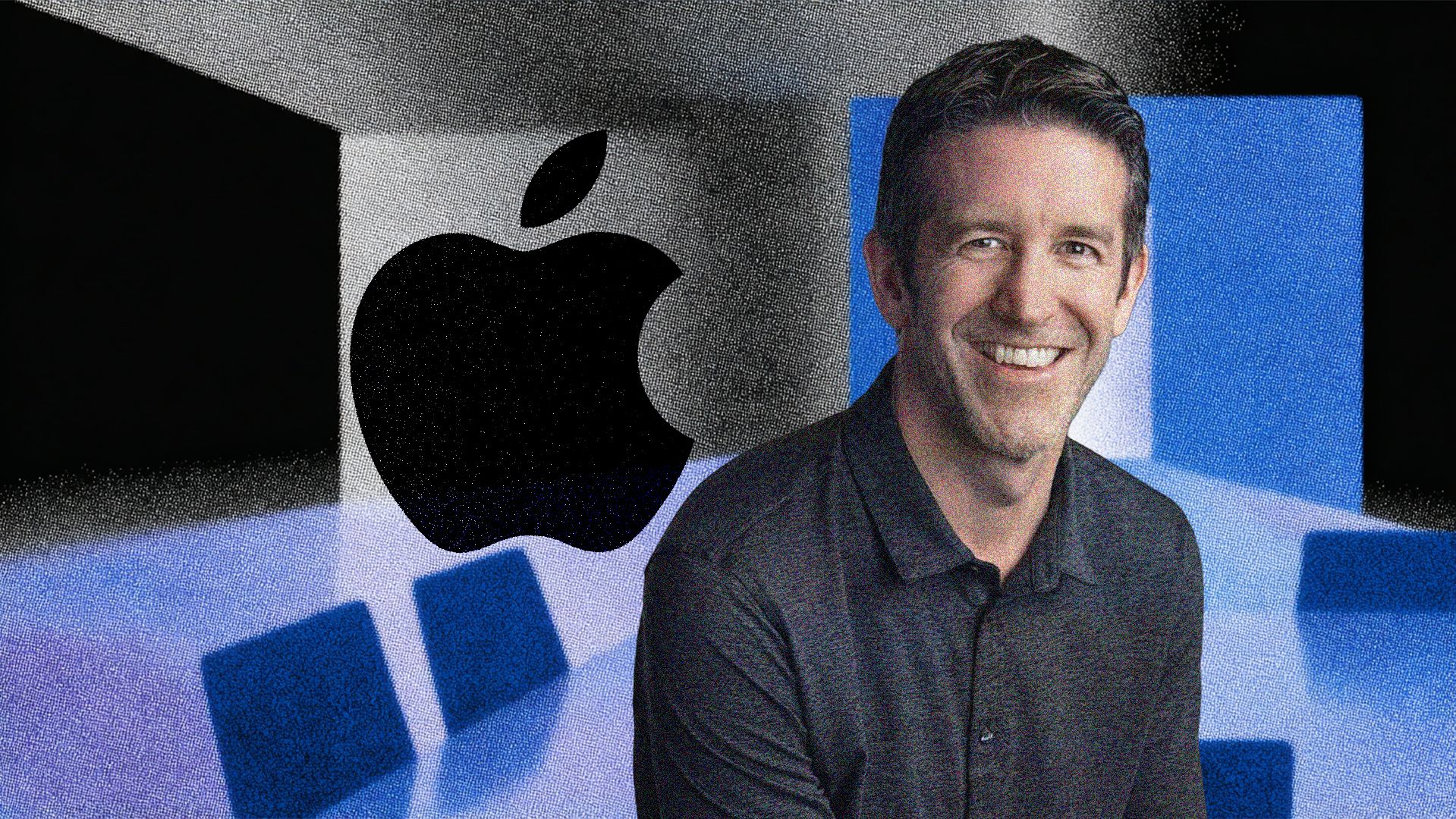
Tim Cook’s final day as CEO was August 31. On September 1, hardware chief John Ternus formally took over. Cook left a final memo that invoked Steve Jobs. Ternus inherits a $4 trillion company, an unfinished AI story, and immediate pressure on hardware supply.

Tim Cook’s last full day as Apple CEO was Monday. On Tuesday morning the title officially belonged to John Ternus. The transition had been public since April, when Apple announced that Cook would become executive chairman and that the longtime head of hardware engineering would take the corner office. Even with months of runway, the change still lands with weight. Cook ran Apple for nearly fifteen years. He leaves a company that is larger, richer, and more operationally complex than the one he inherited from Steve Jobs. Ternus now has to prove that the same machine can accelerate in artificial intelligence while navigating the hardware constraints that have already started to surface.
The handoff, in plain terms
Cook’s tenure began in August 2011. He steps into the executive chairman role with a clear brief: support selected areas of the business, particularly engagement with policymakers. Ternus, 50, has spent roughly a quarter-century at Apple. He joined in 2001, rose through hardware engineering, and became senior vice president of that organization in 2021. Under his watch the company shipped successive generations of iPhone, iPad, Mac, and Apple Watch hardware, and he was instrumental in the Apple silicon transition.
Alongside the CEO change, Apple elevated Johny Srouji to chief hardware officer. Srouji, the architect of Apple’s custom silicon strategy, assumes an expanded remit that includes the hardware engineering organization Ternus is leaving. The structure is deliberate: keep the product and silicon engines tightly coordinated while the new CEO focuses on the broader company.
Transition at a glance
Cook’s final memo
On his last day Cook sent a memo to employees that was characteristically measured and personal. He described the moment as one he always knew would arrive, yet still found hard to believe. He thanked the team for showing up every day and for the privilege of leading them. He made a point of saying he is not leaving Apple — only the CEO role — and that he takes comfort in handing the company to Ternus.
The most quoted line was straightforward: few people understand what it takes to build products that change the world the way Ternus does. Cook also reached back to the language of the company’s founding era, invoking the idea of leaving a dent in the universe and the values that have defined Apple for half a century. It was the kind of note that closes a long chapter without pretending the next one will be easy.

What Ternus inherits
The balance sheet looks formidable. Under Cook, Apple’s market value multiplied many times over and services became a business measured in the tens of billions. The operational discipline that defined Cook’s early years as chief operating officer never really left the company. Supply chains were tightened, margins protected, and the product cycle remained relentless.
The open questions sit elsewhere. Apple is widely viewed as having lagged peers in generative AI. Siri’s long-promised overhaul, deeper on-device intelligence, and more aggressive use of models across the product line have been topics of internal and external scrutiny for more than a year. Ternus has never been the public face of Apple’s AI work, but as CEO he now owns the results. The next product cycle — including the expected iPhone 18 lineup and continued rumors around a foldable device — will be judged in part on whether Apple Intelligence feels like a real platform or a set of features still catching up.
There is also the more immediate pressure of hardware constraints. Memory and component tightness has already affected planning across the industry. Apple’s scale gives it leverage, but it does not give it immunity. Ternus spent years living inside those constraints as head of hardware engineering. That experience is one of the strongest arguments for why the board chose him.
The continuity argument
Apple has always preferred internal succession. Ternus is the third CEO since Jobs returned in 1997, and the second consecutive leader who spent his formative years inside the company rather than arriving from outside. The board’s unanimous approval and the months of staged transition suggest they wanted stability more than a dramatic pivot.
That continuity has a cost. Critics of the late Cook era argue that Apple became incrementalist — excellent at refining existing categories, slower to open new ones. Ternus’s public reputation is that of a detail-obsessed engineer rather than a showman. Whether that profile produces a more aggressive product agenda or simply a smoother version of the current one is the central question of the next two years.
| Area | Cook era strength | Immediate Ternus test |
|---|---|---|
| Operations & supply | Industry benchmark | Memory and component tightness already visible |
| Services | Scaled into a major profit center | Maintain growth while integrating deeper AI |
| Hardware execution | Consistent, high-volume delivery | Next iPhone cycle and potential foldable |
| AI / intelligence | Perceived lag vs. peers | Turn Apple Intelligence into a platform advantage |
| Public presence | Steady, policy-fluent leadership | Establish a distinct voice while Cook remains chairman |
What to watch in the next 90 days
Apple’s next major event is already on the calendar. The early September window has historically been reserved for iPhone. Whatever ships — iterative Pro models, a more substantial design shift, or further movement on a foldable — will be the first major product statement of the Ternus era, even if most of the work was completed under Cook.
How Ternus talks about Apple Intelligence, on-device models, and the relationship with third-party AI will set the tone. Investors and developers will be listening for evidence that the company intends to close the gap rather than manage perceptions of it.
Srouji’s expanded role is one data point. Further moves in software, services, or machine-learning leadership would indicate whether Ternus plans incremental continuity or a more visible reorganization around intelligence.
As executive chairman, Cook retains a formal platform, especially on policy and external relationships. The healthiest transitions keep that influence constructive without creating dual centers of gravity. How that balance is managed in the first two quarters will be visible to anyone watching the company closely.
Frequently asked questions
Is Tim Cook leaving Apple entirely?
No. He becomes executive chairman and has said he will remain available to support the company, with particular focus on engagement with policymakers. His final memo was explicit that he is not leaving Apple.
Why was John Ternus chosen over other internal candidates?
Ternus controlled the hardware organizations responsible for the majority of Apple’s product revenue and had already demonstrated the ability to ship complex devices at scale. The board appears to have prioritized deep product and operational knowledge over a more public-facing or software-centric profile.
Does this change Apple’s AI strategy overnight?
Unlikely. Major model and feature work operates on multi-year cycles. What can change more quickly is prioritization, resourcing, and the public narrative. Ternus’s first year will be judged on whether those signals become clearer.
When will we see the first products fully shaped under Ternus?
Hardware lead times mean that devices shipping in the next twelve to eighteen months were largely locked in under the previous leadership. The clearest early indicators will be software and services updates, followed by the 2027 product cycle.
The bottom line
Tim Cook’s era is over in title and operational authority. What remains is a company that still runs with the discipline he institutionalized and a new CEO whose entire career has been spent making the products that generate most of Apple’s revenue. The external story will focus on AI catch-up and the next iPhone. The internal story is quieter and more consequential: whether Ternus can keep the machine precise while making it more ambitious. Cook’s final memo made the personal affection clear. The next several product cycles will show whether the institutional confidence was equally well placed.
Further reading on this topic
We’ll track Ternus’s first major product event and any organizational or AI strategy signals that emerge in the coming weeks. Check the Weekly Digest section for follow-up coverage.
Leadership transition details, tenure figures, organizational changes, and memo excerpts referenced in this article reflect Apple’s official announcements, contemporaneous reporting, and publicly available statements as of the publish date. Product roadmaps and competitive positioning remain subject to change. Verify current information directly with Apple or primary reporting before relying on specific claims. This article does not contain affiliate links; where future articles do, they will be disclosed per our Affiliate Disclosure.